<?xml version="1.0" encoding="utf-8"?><feed xmlns="http://www.w3.org/2005/Atom" xml:lang="en"><generator uri="https://jekyllrb.com/" version="4.4.1">Jekyll</generator><link href="https://tealeaves.netlify.app/feed.xml" rel="self" type="application/atom+xml" /><link href="https://tealeaves.netlify.app/" rel="alternate" type="text/html" hreflang="en" /><updated>2026-07-24T19:02:56+03:00</updated><id>https://tealeaves.netlify.app/feed.xml</id><title type="html">Tea Leaves &amp;amp; Thoughts</title><subtitle>My thoughts about the state of the web, Linux, Philosophy, or anything else</subtitle><author><name>D-ave</name></author><entry><title type="html">An appreciation to black women</title><link href="https://tealeaves.netlify.app/essays/personal/love/2026/07/24/an-appreciation-to-black-women/" rel="alternate" type="text/html" title="An appreciation to black women" /><published>2026-07-24T00:00:00+03:00</published><updated>2026-07-24T00:00:00+03:00</updated><id>https://tealeaves.netlify.app/essays/personal/love/2026/07/24/an-appreciation-to-black-women</id><content type="html" xml:base="https://tealeaves.netlify.app/essays/personal/love/2026/07/24/an-appreciation-to-black-women/"><![CDATA[<p>I have been trying to write this for a long time. Not because I do not know what to say. Because I do not know how to say it without it sounding small. And she deserves more than small.</p>

<!--more-->

<p>I want to make love to the existence of black women. To drench myself in the colors of their energy. To lose myself inside myself until I find them there. Because that is what it feels like. Not romance. Not desire. Something older than that. Something that sits in the chest like a weight you do not want to put down. Something that does not leave when the conversation ends. Something that stays when the room is empty and the lights are off and you are alone with the truth of what you have seen.</p>

<p><em>(the thing about black women that nobody tells you is that once you see it you cannot unsee it. It is like a color that did not exist before. And now it is everywhere.)</em></p>

<p>The way she carries herself through this world. The way she walks into a room and the room does not know what happened but something shifted. The sound of her voice when she is tired and still kind. The way she laughs. The way she does not laugh. The way she holds the weight of everyone else and then goes home and sits in the dark for a while because that is the only time nobody is asking her for something.</p>

<p>There is a poem by Leopold Sedar Senghor. He wrote about the black woman as ripe fruit as the savannah as the east wind. He called her the spiritual song of the beloved. And I understand what he meant even if his words were beautiful and incomplete. Because you cannot capture it in a poem. You can only stand in front of it and feel stupid for ever trying to reduce it to language.</p>

<p><em>(Senghor knew. He knew that the black woman was the thing that made the world worth writing about. That is why he wrote. That is why all of them wrote.)</em></p>

<p>I think about my mother. I think about the women who raised me. The ones who taught me what patience looks like when it has a face and a name and hands that are rough from work. The ones who stayed. Who did not run. Who held the house together with nothing but willpower and the refusal to let their children see them break.</p>

<p>bell hooks said love is not a feeling. It is a choice. A practice. A commitment to another person’s spiritual growth. And if that is true then black women have been practicing love longer than anyone. Because they have been loving in a world that does not love them back. That takes a kind of strength I do not have. That takes a kind of grace I can only witness from a distance.</p>

<p><em>(the grace is in the doing. In the showing up. In the making a way out of no way. In the braiding of hair at 6 AM before school. In the cooking meals from nothing. In the working two jobs and still making it to the game. In the crying in the shower so the children do not hear.)</em></p>

<p>I want to talk about the beauty. Not the kind they sell in magazines. Not the kind that fits in a frame. The beauty that catches you off guard. The beauty of a black woman who has been crying and is still the most beautiful thing you have ever seen. The beauty of a black woman who is angry and does not care who knows it. The beauty of a black woman who is tired and still finds the strength to be soft. The beauty of a black woman who has every reason to be hard and chooses tenderness instead.</p>

<p>The beauty of her skin. The way light does different things on different shades. The way melanin is not just a pigment. It is a miracle. It is the sun trapped in the body. It is the color of the earth. It is the color of everything that has ever been rich and deep and worth looking at.</p>

<p><em>(if you have never seen a black woman glow in golden hour then you have not lived. I am not being poetic. I am being factual.)</em></p>

<p>There is a beauty in black women that the world has tried to steal for centuries. They tried to take it through slavery. Through Jim Crow. Through the beauty standards that said her hair was wrong and her nose was wrong and her lips were wrong and her skin was wrong. They tried to reduce her to a body. To a commodity. To a thing that exists for someone else’s consumption.</p>

<p>And still she stood. Still she rose. Still she walked into rooms where she was not wanted and made them hers. Still she loved herself when the world told her not to. Still she looked in the mirror and said I am beautiful. Still she said I am worthy. Still she said I am enough.</p>

<p><em>(Maya Angelou knew. She knew that still she rose was not just a poem. It was a description. It was a fact. It was the only way to describe what happens when you try to bury a black woman and she decides she is a seed.)</em></p>

<p>I think about Toni Morrison. Who wrote with a fury that could only come from love. Who said the function of freedom is to free someone else. Who understood that the black woman’s body was a site of both trauma and transcendence. Who wrote Sethe in Beloved who killed her own child rather than let her be taken back into slavery. Because that is love. That is the kind of love that breaks your heart and makes you stand up at the same time.</p>

<p>I think about Nina Simone. Who said it is an artist’s duty to reflect the times. Who sang Strange Fruit and made you feel the weight of every lynching. Who was beautiful and knew it and refused to apologize for it. Who was angry and knew it and refused to soften it for anyone.</p>

<p><em>(Nina Simone did not sing. She testified. Every note was a witness statement. Every song was a court case. And the verdict was always the same. This world owes black women everything and has given them nothing.)</em></p>

<p>I think about the ones I know. The ones who are not famous. The ones who do not have platforms or audiences. The ones who go to work every day and come home and take care of their families and never ask for anything. The ones who are quietly holding the world together while the world pretends it does not need them.</p>

<p>The ones who love hard. Who love so hard it scares you. Because you realize you have never been loved like that. You have never been loved with that kind of intensity. That kind of devotion. That kind of willingness to burn for you if it means you will be warm.</p>

<p><em>(there is a myth that black women are strong. That they do not need help. That they can carry everything. And it is a myth because it is used to justify not helping them. To justify not loving them. To justify taking from them because they can handle it. But they should not have to handle it. They should not have to be strong all the time. They should be allowed to be weak. To be soft. To be held.)</em></p>

<p>And this is what I wanted to say. This is what I have been trying to say with all these words and all these references and all these half-formed thoughts. Black women are the most beautiful thing this world has ever produced. And this world has not been kind to them. And they have been kind to this world anyway. And that is the thing that breaks me. That is the thing that makes me want to write this and rewrite it and never feel like it is enough. Because it is not enough. Nothing I write will ever be enough.</p>

<p><em>(but I will write it anyway. Because the alternative is silence. And silence is just another way of participating in the erasure.)</em></p>

<p>So here it is. My appreciation. Inadequate and small and full of gaps. To the black women who have loved me. To the black women who have taught me. To the black women who have shown me what it means to be human in a world that is not always human. To the black women who are reading this right now and wondering if it is for them. It is. It is always for them.</p>

<blockquote>
  <div class="language-plaintext highlighter-rouge"><div class="highlight"><pre class="highlight"><code>I want to drink the sweat off your intellect
Reflect and watch your light passion mark my neck
Caress the sight of your presence with no question
Undress, to the nakedness of love, pure love
I want to make love to my soul mate, uh, my soul mate
Make love to my soul mate, uh, my soul mate
</code></pre></div>  </div>
</blockquote>

<p>in the words of Akua Naru</p>

<p>Thank you. For everything. For the sacrifice. For the love. For the beauty. For the grace. For the strength. For the softness. For the everything.</p>

<p>If love had a sound this would be that sound. And we. Well we. We would be the band to play it.</p>

<p><a href="/assets/image/post/i%20love%20black%20women.jpg" class="glightbox"><img src="/assets/image/post/i%20love%20black%20women.jpg" alt="i love black women" /></a></p>]]></content><author><name>D-ave</name></author><category term="essays" /><category term="personal" /><category term="love" /><category term="black-women" /><category term="love" /><category term="appreciation" /><category term="beauty" /><category term="poetry" /><summary type="html"><![CDATA[I have been trying to write this for a long time. Not because I do not know what to say. Because I do not know how to say it without it sounding small. And she deserves more than small.]]></summary></entry><entry><title type="html">How Many of Me Are Online Right Now</title><link href="https://tealeaves.netlify.app/identity/lain/tech/2026/07/24/how-many-of-me-online/" rel="alternate" type="text/html" title="How Many of Me Are Online Right Now" /><published>2026-07-24T00:00:00+03:00</published><updated>2026-07-24T00:00:00+03:00</updated><id>https://tealeaves.netlify.app/identity/lain/tech/2026/07/24/how-many-of-me-online</id><content type="html" xml:base="https://tealeaves.netlify.app/identity/lain/tech/2026/07/24/how-many-of-me-online/"><![CDATA[<p>I started counting and lost track at 23.</p>

<!--more-->

<p>Not 23 accounts. 23 <em>versions</em> of me. Some active. Some dormant. All real in the sense that they were created by hands that were mine, typing thoughts that were mine, at moments when I believed I was me.</p>

<p>There’s the me on GitHub commits, repositories, code written in states of flow and frustration. The commit messages range from professional (“fix: resolve authentication bug”) to barely coherent (“fuck this shit works now”). Two different people wrote those. Same keyboard.</p>

<p>There’s the me on Goodreads ratings, reviews, a reading list that tells a story about who I want to be versus who I actually am. The five star books are aspirations. The three star books are reality.</p>

<p>There’s the me on Discord long forgotten, buried under abandoned usernames, opinions I held strongly enough to type and weakly enough to never return to defend.</p>

<p>There’s the me in the analytics of this blog IP addresses, page views, time-on-page data points that reduce my readers (and me) to metrics. The me that Google Analytics knows is more consistent than the me I present to my friends. (ps. i don’t have any of that data now, removed analytics a topic for some other time)</p>

<hr />

<p>But here’s the thing that kept me up:</p>

<p>Not all of these mes are <em>alive.</em></p>

<p>Some of them are frozen in time. A forum profile from 2019 that still displays a bio I wrote when I was in high school. The opinions are wrong. The tone is wrong. The person is wrong. But the profile persists. It is a fossil. A digital amber trapping a version of me that no longer exists.</p>

<p>And yet, if someone searches for me, they’ll find it. They’ll read it. They’ll form an impression of who I am based on words I can barely recognize as my own.</p>

<p>Which version is the real one? The one typing this now? Or the one that’s been sitting on that forum for 7 years, unchanged, unchanging, slowly becoming less and less accurate with each passing day?</p>

<hr />

<p>I think about this every time I change my mind about something publicly.</p>

<p>The old posts remain. The old tweets (if I had any) would remain. The old comments, reviews, ratings, they all stay. Each one a snapshot of a mental state that has since moved on.</p>

<p>I am not a person. I am a <em>stratigraphy.</em> Layers of previous selves, sedimented, compressed, visible to anyone who digs deep enough.</p>

<p>And the worst part?</p>

<p>I can’t delete them all. Even if I tried, there are archives. There are screenshots. There are people who read my words and formed opinions of me that I will never know about and cannot correct.</p>

<p>I am not who I am. I am who the internet thinks I was, across all the versions it has captured.</p>

<hr />

<p>How many of me are online right now?</p>

<p>More than one. More than I can count. More than I can control.</p>

<p>And the question that matters:</p>

<p><em>Do any of them match the one reading this sentence?</em></p>]]></content><author><name>D-ave</name></author><category term="identity" /><category term="lain" /><category term="tech" /><category term="identity" /><category term="digital-self" /><category term="lain" /><category term="wired" /><summary type="html"><![CDATA[I started counting and lost track at 23.]]></summary></entry><entry><title type="html">The Road is Already Paved (Part 3): You Will Own Nothing and Be Happy</title><link href="https://tealeaves.netlify.app/accelerationism/cyberpunk/grind-fiction/2026/07/24/the-road-is-paved-part-3/" rel="alternate" type="text/html" title="The Road is Already Paved (Part 3): You Will Own Nothing and Be Happy" /><published>2026-07-24T00:00:00+03:00</published><updated>2026-07-24T00:00:00+03:00</updated><id>https://tealeaves.netlify.app/accelerationism/cyberpunk/grind-fiction/2026/07/24/the-road-is-paved-part-3</id><content type="html" xml:base="https://tealeaves.netlify.app/accelerationism/cyberpunk/grind-fiction/2026/07/24/the-road-is-paved-part-3/"><![CDATA[<blockquote>
  <p>LOADING PROPERTY REGISTRY…
ERROR: USER DOES NOT OWN ANYTHING
SUGGESTED ACTION: SUBSCRIBE TO CONTINUE</p>
</blockquote>

<p>“You will own nothing and you will be happy.” The World Economic Forum said it. Or did not say it. <em>(technically speaking Klaus Schwab said it)</em> It does not matter because the meme was true regardless of its origin. The sentiment describes the direction of travel. The end state of capitalism is not everyone owning a house and a car. It is everyone renting everything from a corporation that can revoke access at any time.</p>

<p>*(the phrase became a meme because it felt true. That is the only test that matters)._</p>

<h2 id="the-end-of-ownership">The End of Ownership</h2>

<p>You do not own your music. You subscribe to Spotify. You do not own your movies. You subscribe to Netflix and Disney+ and HBO and Apple TV and Amazon Prime and six other services that each cost fifteen dollars a month and together cost more than cable ever did. You do not own your books. You license them on Kindle. You do not own your software. You pay Adobe monthly for the privilege of using Photoshop.</p>

<p>You do not even own the games you bought. Steam can revoke your library. Sony can ban your account and your digital purchases vanish. The physical copy of a game requires a day-one patch and a server connection to play. When the server goes down, the game becomes a paperweight.</p>

<p><em>(the pirate who downloads a DRM-free copy owns their media more than the person who paid for it. This is a stable fact about the world. Let it sit).</em></p>

<h2 id="the-car-as-subscription">The Car as Subscription</h2>

<p>Cars are the newest frontier. BMW tried to charge a monthly fee for heated seats before public backlash stopped them. But the logic is already baked in. Modern cars are computers with wheels. The manufacturer can enable or disable features through software. Heated seats. Adaptive cruise control. Performance upgrades. All of it can be switched on or off based on what you pay.</p>

<p>Tesla already offers “Full Self-Driving” as a subscription. You pay $99 a month for the promise of autonomy. The hardware is already in the car. They just turn it off unless you keep paying. Your car has capabilities you cannot use because you will not pay the monthly ransom.</p>

<p><em>(this is the cyberpunk part. The hardware exists. The capability exists. The only barrier is the payment screen).</em></p>

<p><a href="/assets/image/post/download%20tesla%20meme.jpg" class="glightbox"><img src="/assets/image/post/download%20tesla%20meme.jpg" alt="download tesla meme" /></a></p>

<h2 id="the-house-as-subscription">The House as Subscription</h2>

<p>Housing is the most predatory subscription of all. Rent is a subscription for the right to exist indoors. In cities where property is owned by Blackstone and BlackRock, you are not a tenant. You are a subscriber. And the terms change every lease cycle.</p>

<p>The dream of homeownership is receding for an entire generation. Not because houses are too expensive in some abstract sense. Because the financial system is designed to extract maximum value from the flow of rent. A generation of landlords is better for capital than a generation of owners. Owners accumulate wealth. Renters generate income streams.</p>

<div class="language-plaintext highlighter-rouge"><div class="highlight"><pre class="highlight"><code>&gt;&gt; ASSET OWNERSHIP: PRIVILEGE OF THE PAST
&gt;&gt; SUBSCRIPTION MODEL: THE NEW LANDLORD
&gt;&gt; YOU RENT YOUR MUSIC, YOUR MOVIES, YOUR TOOLS
&gt;&gt; YOU WILL RENT YOUR CAR, YOUR HOUSE, YOUR LIFE
&gt;&gt; AND YOU WILL THANK THEM FOR THE CONVENIENCE
</code></pre></div></div>

<h2 id="the-digital-land">The Digital Land</h2>

<p>The platform is the new landlord. If you sell on Etsy, Etsy owns the relationship with your customers. If you post on Instagram, Instagram owns the attention you generate. If you write on Medium, Medium owns the audience. You are a tenant on digital land that can be taken from you at any moment.</p>

<p>The algorithmic feed is the rent. You pay with your attention. You pay with your data. You pay with your labor. And in return, you get access to the platform. Access that can be revoked without explanation. Accounts suspended. Content demonetized. Algorithms changed. Entire businesses destroyed by a policy update.</p>

<p><em>(this is the grind. Building on land you do not own. Knowing the landlord can evict you at any moment. And calling it entrepreneurship).</em></p>

<p>The final stage of digital feudalism is when every aspect of your life is a subscription. Your entertainment. Your transportation. Your housing. Your tools. Your social connections. Your access to information. Everything is licensed. Nothing is owned. And the line between “you will own nothing” and “you are nothing” becomes very thin.</p>

<p><a href="/assets/image/post/land%20meme.jpg" class="glightbox"><img src="/assets/image/post/land%20meme.jpg" alt="land meme" /></a></p>]]></content><author><name>D-ave</name></author><category term="Accelerationism" /><category term="Cyberpunk" /><category term="Grind-Fiction" /><category term="ownership" /><category term="subscription" /><category term="streaming" /><category term="feudalism" /><category term="platform-capitalism" /><category term="digital-serfdom" /><summary type="html"><![CDATA[LOADING PROPERTY REGISTRY… ERROR: USER DOES NOT OWN ANYTHING SUGGESTED ACTION: SUBSCRIBE TO CONTINUE “You will own nothing and you will be happy.” The World Economic Forum said it. Or did not say it. (technically speaking Klaus Schwab said it) It does not matter because the meme was true regardless of its origin. The sentiment describes the direction of travel. The end state of capitalism is not everyone owning a house and a car. It is everyone renting everything from a corporation that can revoke access at any time. *(the phrase became a meme because it felt true. That is the only test that matters)._ The End of Ownership You do not own your music. You subscribe to Spotify. You do not own your movies. You subscribe to Netflix and Disney+ and HBO and Apple TV and Amazon Prime and six other services that each cost fifteen dollars a month and together cost more than cable ever did. You do not own your books. You license them on Kindle. You do not own your software. You pay Adobe monthly for the privilege of using Photoshop. You do not even own the games you bought. Steam can revoke your library. Sony can ban your account and your digital purchases vanish. The physical copy of a game requires a day-one patch and a server connection to play. When the server goes down, the game becomes a paperweight. (the pirate who downloads a DRM-free copy owns their media more than the person who paid for it. This is a stable fact about the world. Let it sit). The Car as Subscription Cars are the newest frontier. BMW tried to charge a monthly fee for heated seats before public backlash stopped them. But the logic is already baked in. Modern cars are computers with wheels. The manufacturer can enable or disable features through software. Heated seats. Adaptive cruise control. Performance upgrades. All of it can be switched on or off based on what you pay. Tesla already offers “Full Self-Driving” as a subscription. You pay $99 a month for the promise of autonomy. The hardware is already in the car. They just turn it off unless you keep paying. Your car has capabilities you cannot use because you will not pay the monthly ransom. (this is the cyberpunk part. The hardware exists. The capability exists. The only barrier is the payment screen). The House as Subscription Housing is the most predatory subscription of all. Rent is a subscription for the right to exist indoors. In cities where property is owned by Blackstone and BlackRock, you are not a tenant. You are a subscriber. And the terms change every lease cycle. The dream of homeownership is receding for an entire generation. Not because houses are too expensive in some abstract sense. Because the financial system is designed to extract maximum value from the flow of rent. A generation of landlords is better for capital than a generation of owners. Owners accumulate wealth. Renters generate income streams. &gt;&gt; ASSET OWNERSHIP: PRIVILEGE OF THE PAST &gt;&gt; SUBSCRIPTION MODEL: THE NEW LANDLORD &gt;&gt; YOU RENT YOUR MUSIC, YOUR MOVIES, YOUR TOOLS &gt;&gt; YOU WILL RENT YOUR CAR, YOUR HOUSE, YOUR LIFE &gt;&gt; AND YOU WILL THANK THEM FOR THE CONVENIENCE The Digital Land The platform is the new landlord. If you sell on Etsy, Etsy owns the relationship with your customers. If you post on Instagram, Instagram owns the attention you generate. If you write on Medium, Medium owns the audience. You are a tenant on digital land that can be taken from you at any moment. The algorithmic feed is the rent. You pay with your attention. You pay with your data. You pay with your labor. And in return, you get access to the platform. Access that can be revoked without explanation. Accounts suspended. Content demonetized. Algorithms changed. Entire businesses destroyed by a policy update. (this is the grind. Building on land you do not own. Knowing the landlord can evict you at any moment. And calling it entrepreneurship). The final stage of digital feudalism is when every aspect of your life is a subscription. Your entertainment. Your transportation. Your housing. Your tools. Your social connections. Your access to information. Everything is licensed. Nothing is owned. And the line between “you will own nothing” and “you are nothing” becomes very thin.]]></summary></entry><entry><title type="html">the dying body, the undying brain</title><link href="https://tealeaves.netlify.app/essays/philosophy/science/2026/07/18/the-dying-body-the-undying-brain/" rel="alternate" type="text/html" title="the dying body, the undying brain" /><published>2026-07-18T00:00:00+03:00</published><updated>2026-07-18T00:00:00+03:00</updated><id>https://tealeaves.netlify.app/essays/philosophy/science/2026/07/18/the-dying-body-the-undying-brain</id><content type="html" xml:base="https://tealeaves.netlify.app/essays/philosophy/science/2026/07/18/the-dying-body-the-undying-brain/"><![CDATA[<p>The heart stops and the body does not know it yet. There is a lag. A delay between the moment of death and the moment every cell understands.</p>

<!--more-->

<p>I have been thinking about what the body thinks when it is dying. Not the person. The body. The meat and the bone and the chemistry that somehow became a person.</p>

<p>When the heart stops there is no circulation. No oxygen. No glucose. The brain goes first because it is greedy. It uses twenty percent of the body’s oxygen for two percent of its weight. A selfish organ. And when the oxygen stops the neurons keep firing for a few seconds from whatever reserves remain and then they stop. Not because they want to. Because they cannot help it. They are machines. And the fuel is gone.</p>

<p><em>(the brain does not know it is dying. It knows only that ATP is low and the sodium potassium pumps are failing and the membrane potential is collapsing. It does not know that it is the brain of a person who loved someone. It knows only biochemistry.)</em></p>

<p>The cells begin to swell. Without the pumps the sodium stays inside and water follows. The mitochondria which are the power plants start to leak. They release cytochrome c into the cytoplasm and this is the signal. The signal for apoptosis. Programmed cell death. The body begins to dismantle itself from the inside.</p>

<p><em>(the cells have been preparing for this their entire existence. Every cell carries the machinery of its own destruction. A failsafe. A kill switch. They do not know why they have it. They just do.)</em></p>

<p>The heart muscle cells last longer than the brain. Fifteen to thirty minutes. They keep trying to contract even without blood. Even without oxygen. They switch to anaerobic metabolism and produce lactic acid and the acid builds up and the pH drops and still they try. The heart does not know the person is dead. It knows only rhythm. It was built to beat.</p>

<p><em>(the body does not understand finality. It understands only process. The liver keeps processing. The kidneys keep filtering. The skin cells keep dividing for hours after the rest has stopped. They do not read the news. Nobody told them.)</em></p>

<p>The lysosomes burst. These are the sacs of digestive enzymes that every cell carries. They are meant to break down waste but when the membrane goes they break down everything. The cell digests itself from the inside out. Autolysis. Self-eating. This is the true death. Not the heart stopping. Not the brain flatlining. But the moment when the cell turns on itself because there is no energy left to keep the wolves at the door.</p>

<p><em>(the body dissolves itself from within. A quiet surrender. No screaming. No fighting. Just the slow work of enzymes doing what enzymes do.)</em></p>

<p>And here is the strange thing. None of it knows. The neuron does not know it was part of a person who had a name and a mother and a favorite song. The cardiac myocyte does not know it was part of a heart that raced when someone they loved walked into the room. The hepatocyte does not know its person drank whiskey on Friday nights and regretted it on Saturday mornings. They do not know.</p>

<p>They are just doing what they have always done. Producing protein. Synthesizing energy. Making calories. Maintaining the gradient. Pumping the ion. And then one day the instructions stop coming and they cannot make sense of it because there is no sense to make. There is only chemistry.</p>

<p><em>(the tragedy is not that we die. The tragedy is that we are the only ones who know we will. The cells drift in ignorant bliss and we carry the weight of the ending every single day.)</em></p>

<p>You go through this world stressed and anxious because you are an animal who became bipedal and developed language and became conscious. That is the curse. That is the gift. You are a bag of meat stuck to bones and somehow you can look at the stars and feel small. Somehow you can hold someone’s hand and know that one day you will not be able to. Somehow you can sit in a quiet room and feel the weight of your own existence pressing down on your chest.</p>

<p><em>(the cells do not feel that weight. They do not feel anything. They are busy. They have work to do. They will keep working until they cannot and then they will stop and there will be nothing. No regret. No relief. Just the quiet cessation of process.)</em></p>

<p>The body fights until the end. Not because it wants to live. Because fighting is all it knows. The heart fibrillates. The lungs gasp. The brain releases a flood of neurotransmitters in one last desperate electrochemical sigh. Agonal breathing. The death rattle. These are not signs of consciousness. These are the twitches of a machine winding down. A clock spring slowly releasing its tension.</p>

<p><em>(you think of the Ancient One stretching one moment into a thousand just to watch the snow <a href="/essays/philosophy/personal/2026/07/09/on-the-briefness-of-moments/">as i wrote about before</a>. The body does the same thing. It stretches every last microsecond into a thousand more just to keep the process going. It does not know why. It does not need to know why.)</em></p>

<p>But the time comes when the ATP is gone and the pumps cannot work and the calcium floods in and the mitochondria collapse and the nucleus fragments and the cell dies. Not a dramatic death. A quiet one. A death of depletion. A death of running out.</p>

<p>And then you are no longer a person. You are a collection of cells that used to be a person. And then you are a collection of molecules that used to be cells. And then you are nothing that was once something.</p>

<p><em>(the body does not mourn itself. Only the mind does that. And the mind is already gone. It was the first to go. It went quietly. It went without ceremony. It went because the sodium potassium pump failed and there was nothing else to be done.)</em></p>

<p>What is consciousness then. What is this thing that makes us know we are dying. It is an accident of evolution. A byproduct of a brain complex enough to model its own existence. The cells did not ask for it. They do not benefit from it. They only benefit from the ATP and the glucose and the oxygen. Consciousness is overhead. A luxury the body never needed.</p>

<p><em>(and yet here we are. The only species that knows what is happening to it. The only species that can sit with the dying and understand. The only species that can be afraid of the silence.)</em></p>

<p>The cells do not know they are dying. They cannot. And in some way that is merciful. The body goes without understanding. The mind goes with full understanding. And the gap between those two things is what it means to be human.</p>

<p><em>(we are the universe’s way of watching itself end. One cell at a time.)</em></p>

<blockquote>
  <p><em>“I think human consciousness is a tragic misstep in human evolution. We became too self aware; nature created an aspect of nature separate from itself. We are creatures that should not exist by natural law. We are things that labor under the illusion of having a self, a secretion of sensory experience and feeling, programmed with total assurance that we are each somebody, when in fact everybody’s nobody. I think the honorable thing for our species to do is deny our programming, stop reproducing, walk hand in hand into extinction, one last midnight, brothers and sisters opting out of a raw deal.”</em></p>
  <ul>
    <li>Rustin Cohle (True Detective)</li>
  </ul>
</blockquote>]]></content><author><name>D-ave</name></author><category term="essays" /><category term="philosophy" /><category term="science" /><category term="death" /><category term="biology" /><category term="consciousness" /><category term="body" /><category term="cells" /><category term="stoicism" /><summary type="html"><![CDATA[The heart stops and the body does not know it yet. There is a lag. A delay between the moment of death and the moment every cell understands.]]></summary></entry><entry><title type="html">Thinkers You Should Know: Ibn Khaldun</title><link href="https://tealeaves.netlify.app/series/philosophy/thinkers/2026/07/18/thinkers-ibn-khaldun/" rel="alternate" type="text/html" title="Thinkers You Should Know: Ibn Khaldun" /><published>2026-07-18T00:00:00+03:00</published><updated>2026-07-18T00:00:00+03:00</updated><id>https://tealeaves.netlify.app/series/philosophy/thinkers/2026/07/18/thinkers-ibn-khaldun</id><content type="html" xml:base="https://tealeaves.netlify.app/series/philosophy/thinkers/2026/07/18/thinkers-ibn-khaldun/"><![CDATA[<p>Ibn Khaldun was a 14th century Tunisian historian who straight up invented sociology in the 1300s, four hundred years before Auguste Comte got himself a Wikipedia page for it. The guy wrote <em>The Muqaddimah</em> (that’s “Introduction to History” for you non-Arabic speakers) and it is still worth reading today. Six hundred year shelf life. Not bad for a book written before the printing press.</p>

<p><strong>asabiyyah</strong> (social cohesion). Basically, civilizations rise and fall based on how tight-knit their people are. Nomads have killer asabiyyah because they need each other to not die in the desert. So they conquer the soft city dwellers, become the new elite, get fat and lazy, lose their cohesion, and then the next hungry nomad gang rolls in and takes over. The wheel keeps spinning. It never stops.</p>

<p>This explains basically everything. The Mongols conquered half the planet because they had asabiyyah out the ass. Rome fell because rich Romans stopped giving a shit about the republic. Every empire follows the pattern. The United States? Yeah we are probably in the decadent phase right now. Ibn Khaldun called it from the grave.</p>

<p>He was also the first guy to treat history like a science. He said: question your sources, look for patterns, think about economics. This was the 1300s. Europe was still arguing about angels on pinheads.</p>

<p><strong>Starter book:</strong> <em>The Muqaddimah</em> (1377). It is long but you do not need to read the whole thing. Read the introduction and the first two chapters. That is enough to get the framework.</p>]]></content><author><name>D-ave</name></author><category term="series" /><category term="philosophy" /><category term="thinkers" /><category term="ibn-khaldun" /><category term="history" /><category term="sociology" /><category term="islam" /><category term="north-africa" /><summary type="html"><![CDATA[Ibn Khaldun was a 14th century Tunisian historian who straight up invented sociology in the 1300s, four hundred years before Auguste Comte got himself a Wikipedia page for it. The guy wrote The Muqaddimah (that’s “Introduction to History” for you non-Arabic speakers) and it is still worth reading today. Six hundred year shelf life. Not bad for a book written before the printing press. asabiyyah (social cohesion). Basically, civilizations rise and fall based on how tight-knit their people are. Nomads have killer asabiyyah because they need each other to not die in the desert. So they conquer the soft city dwellers, become the new elite, get fat and lazy, lose their cohesion, and then the next hungry nomad gang rolls in and takes over. The wheel keeps spinning. It never stops. This explains basically everything. The Mongols conquered half the planet because they had asabiyyah out the ass. Rome fell because rich Romans stopped giving a shit about the republic. Every empire follows the pattern. The United States? Yeah we are probably in the decadent phase right now. Ibn Khaldun called it from the grave. He was also the first guy to treat history like a science. He said: question your sources, look for patterns, think about economics. This was the 1300s. Europe was still arguing about angels on pinheads. Starter book: The Muqaddimah (1377). It is long but you do not need to read the whole thing. Read the introduction and the first two chapters. That is enough to get the framework.]]></summary></entry><entry><title type="html">Personal Finance for the Third World: When to Leave</title><link href="https://tealeaves.netlify.app/series/finance/practical/2026/07/10/finance-7-when-to-leave/" rel="alternate" type="text/html" title="Personal Finance for the Third World: When to Leave" /><published>2026-07-10T00:00:00+03:00</published><updated>2026-07-10T00:00:00+03:00</updated><id>https://tealeaves.netlify.app/series/finance/practical/2026/07/10/finance-7-when-to-leave</id><content type="html" xml:base="https://tealeaves.netlify.app/series/finance/practical/2026/07/10/finance-7-when-to-leave/"><![CDATA[<p>This is the most uncomfortable post in this series. But it needs to be said (and you need to hear it): if you live in a country with chronic instability, you need an exit strategy.</p>

<p>An exit strategy does not mean you are leaving today. It means you have a plan if you need to leave tomorrow (and you might).</p>

<p><strong>What an exit strategy looks like:</strong></p>

<ol>
  <li>
    <p><strong>A valid passport.</strong> If your passport is expired or about to expire, renew it right fucking now. Governments stop issuing passports during crises. Do not wait until it is too late.</p>
  </li>
  <li>
    <p><strong>Foreign currency in cash.</strong> Enough to leave and survive for 3 months somewhere else. USD, EUR. Hidden somewhere safe. Not in a bank (you know why).</p>
  </li>
  <li>
    <p><strong>An external support network.</strong> A relative abroad.(rarely help but why not..) A friend in another country. A contact who can help you get started elsewhere. Build these relationships before you need them (because once you need them, it is too late to start).</p>
  </li>
  <li>
    <p><strong>Digital copies of your critical documents.</strong> Passport, birth certificate, degrees, property deeds. Encrypted in the cloud. If you flee with nothing else, flee with your paperwork.</p>
  </li>
  <li>
    <p><strong>A destination.</strong> Even a vague one. Kenya? UAE? Europe? America? Research visa requirements now, not when you are panicking and the airport is chaos.</p>
  </li>
</ol>

<p><strong>The economic argument:</strong> Some countries do not recover. Zimbabwe never recovered from 2008. Venezuela never recovered from 2015. Lebanon never recovered from 2019. The smart ones who left early saved their wealth and their futures. The ones who stayed hoping things would improve lost everything.</p>

<p>This is not politics. This is observation. If your country is on a downward trajectory, your savings are on the same trajectory. Your wealth is tied to your country’s fate. If the country sinks, your wealth goes down with it.</p>

<p>The hardest question in personal finance for the third world: do you stay and fight, or do you leave and build somewhere else? There is no right answer. But the question deserves an honest fucking answer.</p>

<hr />

<p>Seven parts. Hopefully helpful. Hopefully unnecessary.</p>]]></content><author><name>D-ave</name></author><category term="series" /><category term="finance" /><category term="practical" /><category term="exit-strategy" /><category term="migration" /><category term="safety-net" /><summary type="html"><![CDATA[This is the most uncomfortable post in this series. But it needs to be said (and you need to hear it): if you live in a country with chronic instability, you need an exit strategy. An exit strategy does not mean you are leaving today. It means you have a plan if you need to leave tomorrow (and you might). What an exit strategy looks like: A valid passport. If your passport is expired or about to expire, renew it right fucking now. Governments stop issuing passports during crises. Do not wait until it is too late. Foreign currency in cash. Enough to leave and survive for 3 months somewhere else. USD, EUR. Hidden somewhere safe. Not in a bank (you know why). An external support network. A relative abroad.(rarely help but why not..) A friend in another country. A contact who can help you get started elsewhere. Build these relationships before you need them (because once you need them, it is too late to start). Digital copies of your critical documents. Passport, birth certificate, degrees, property deeds. Encrypted in the cloud. If you flee with nothing else, flee with your paperwork. A destination. Even a vague one. Kenya? UAE? Europe? America? Research visa requirements now, not when you are panicking and the airport is chaos. The economic argument: Some countries do not recover. Zimbabwe never recovered from 2008. Venezuela never recovered from 2015. Lebanon never recovered from 2019. The smart ones who left early saved their wealth and their futures. The ones who stayed hoping things would improve lost everything. This is not politics. This is observation. If your country is on a downward trajectory, your savings are on the same trajectory. Your wealth is tied to your country’s fate. If the country sinks, your wealth goes down with it. The hardest question in personal finance for the third world: do you stay and fight, or do you leave and build somewhere else? There is no right answer. But the question deserves an honest fucking answer. Seven parts. Hopefully helpful. Hopefully unnecessary.]]></summary></entry><entry><title type="html">on the briefness of moments</title><link href="https://tealeaves.netlify.app/essays/philosophy/personal/2026/07/09/on-the-briefness-of-moments/" rel="alternate" type="text/html" title="on the briefness of moments" /><published>2026-07-09T00:00:00+03:00</published><updated>2026-07-09T00:00:00+03:00</updated><id>https://tealeaves.netlify.app/essays/philosophy/personal/2026/07/09/on-the-briefness-of-moments</id><content type="html" xml:base="https://tealeaves.netlify.app/essays/philosophy/personal/2026/07/09/on-the-briefness-of-moments/"><![CDATA[<p>Dr. Strange is one of my favorite Marvel superheroes. Something about the first part of the movie from the moment that I saw it just stood out to me and even more was what the Ancient One’s last words to Strange were. <em>“We don’t get to choose our time. Death is what gives life meaning. To know your days are numbered and your time is short. You’d think after all this time I’d be ready. But look at me. Stretching one moment out into a thousand just so that I can watch the snow.”</em></p>

<p>I have thought about those words often. The image of someone who has seen centuries still wanting to stretch a single moment into a thousand pieces just to watch snow fall. That is the thing about time. You never know you are in a moment until it has passed.</p>

<p>On <em>2026-07-04 a Saturday</em> a bit earlier I had a conversation with my uncle. A trivial one. Something simple. It lasted around ten minutes and then we went on our own way. A couple of minutes later roughly thirty or forty or maybe an hour the time seems a bit blurry now, he passed away in my arms while I was giving him CPR. Amidst all of that I was watching his four year old boy in the corner who was about to eat with his dad. He was in shock looking at the whole ruckus around him. The situation made no sense to him. He understood nothing. Which is both a blessing and a curse. In the moment I heard screams and rushed straight to his home. I found him at the foot of his couch with his wife screaming crying and wailing. I tried my best but you cannot fight it sometimes. You just have to let go. I lost his pulse midway through the CPR.</p>

<p>I have been reading Meditations since highschool and practicing stoicism in my own way. Memento mori has always been there in the back of my head. I knew that me or the people I love and care for will one day no longer be. I had accepted that as a fact. But some days it never feels so real until one day someone close to you passes away in your arms.</p>

<p><em>(you can know a thing is true for years and still not know it. Not really. Not until it has a face and a name and a pulse that stops under your hands.)</em></p>

<p>Life seems long when you are living it. The days drag. The hours stretch. You look at the calendar and see years ahead and you think there is time. There is always time. But time is not a river. It is a glass that shatters and you spend the rest of your life stepping on the pieces.</p>

<p>We are here for a brief moment. A single breath in the long quiet of the universe. A blink. And in that blink we experience everything. Bitterness and fear. Joy and anxiety. Love and loss. We pack whole universes into our brief years and then we are gone and the world does not stop. It does not even pause. The snow keeps falling. The sun keeps rising. The four year old boy grows up with a memory that will fade into a feeling he cannot name.</p>

<p>People spend their whole lives trying to find meaning. We build things. We write things. We love and we lose and we love again. We tell ourselves stories about what happens after. We invent heavens and reincarnations and cosmic reunions. We do this because the alternative is too heavy to carry. The alternative is that this is it. This brief flicker of consciousness between two eternities of nothing.</p>

<p><em>(and maybe that is what makes it so beautiful. The brevity. The scarcity. The fact that it ends.)</em></p>

<p>But no matter how much we cope with death once it hits suddenly it is so baffling. You think you are ready. You have read the books. You have said the prayers. You have sat with the idea and made your peace with it. And then it happens and all of that preparation evaporates like morning dew and you are left standing there with nothing but the cold reality of someone who was here and is now not here and will never be here again.</p>

<p>What else can we do than live in those brief moments that accumulate to what we call a person’s life. The ten minute conversation. The sound of a four year old boy who does not yet understand why his father will not wake up. These are the things we have. These small imperfect finite things. They are not enough and they are everything.</p>

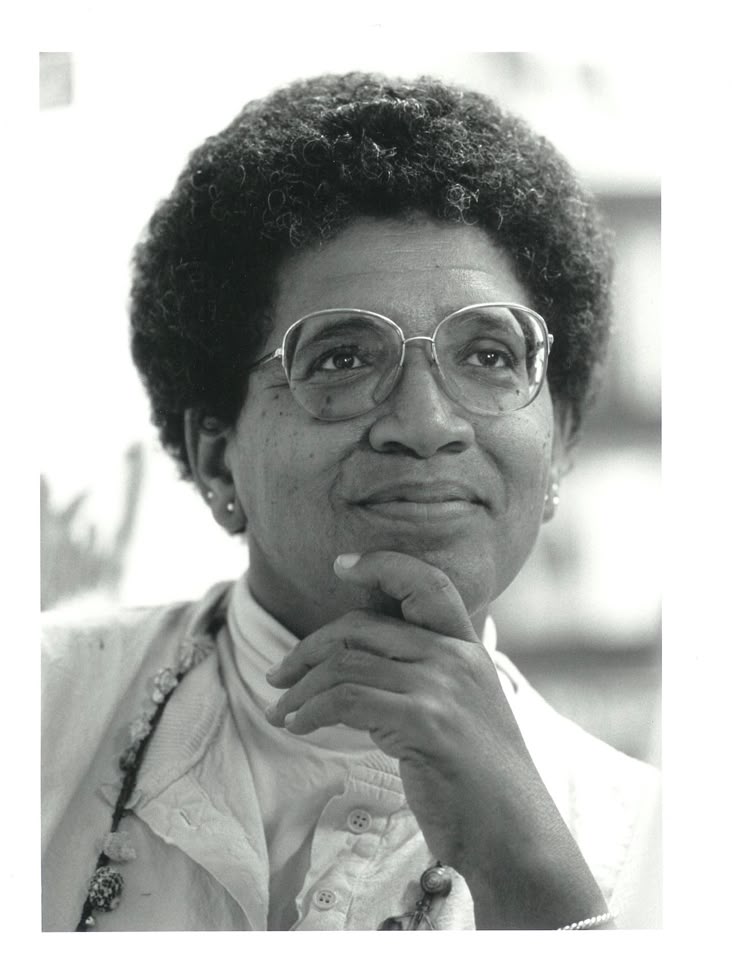
<p><em>(stretching one moment out into a thousand just so that I can watch the snow.)</em></p>]]></content><author><name>D-ave</name></author><category term="essays" /><category term="philosophy" /><category term="personal" /><category term="death" /><category term="stoicism" /><category term="grief" /><category term="time" /><category term="memento-mori" /><category term="family" /><summary type="html"><![CDATA[Dr. Strange is one of my favorite Marvel superheroes. Something about the first part of the movie from the moment that I saw it just stood out to me and even more was what the Ancient One’s last words to Strange were. “We don’t get to choose our time. Death is what gives life meaning. To know your days are numbered and your time is short. You’d think after all this time I’d be ready. But look at me. Stretching one moment out into a thousand just so that I can watch the snow.” I have thought about those words often. The image of someone who has seen centuries still wanting to stretch a single moment into a thousand pieces just to watch snow fall. That is the thing about time. You never know you are in a moment until it has passed. On 2026-07-04 a Saturday a bit earlier I had a conversation with my uncle. A trivial one. Something simple. It lasted around ten minutes and then we went on our own way. A couple of minutes later roughly thirty or forty or maybe an hour the time seems a bit blurry now, he passed away in my arms while I was giving him CPR. Amidst all of that I was watching his four year old boy in the corner who was about to eat with his dad. He was in shock looking at the whole ruckus around him. The situation made no sense to him. He understood nothing. Which is both a blessing and a curse. In the moment I heard screams and rushed straight to his home. I found him at the foot of his couch with his wife screaming crying and wailing. I tried my best but you cannot fight it sometimes. You just have to let go. I lost his pulse midway through the CPR. I have been reading Meditations since highschool and practicing stoicism in my own way. Memento mori has always been there in the back of my head. I knew that me or the people I love and care for will one day no longer be. I had accepted that as a fact. But some days it never feels so real until one day someone close to you passes away in your arms. (you can know a thing is true for years and still not know it. Not really. Not until it has a face and a name and a pulse that stops under your hands.) Life seems long when you are living it. The days drag. The hours stretch. You look at the calendar and see years ahead and you think there is time. There is always time. But time is not a river. It is a glass that shatters and you spend the rest of your life stepping on the pieces. We are here for a brief moment. A single breath in the long quiet of the universe. A blink. And in that blink we experience everything. Bitterness and fear. Joy and anxiety. Love and loss. We pack whole universes into our brief years and then we are gone and the world does not stop. It does not even pause. The snow keeps falling. The sun keeps rising. The four year old boy grows up with a memory that will fade into a feeling he cannot name. People spend their whole lives trying to find meaning. We build things. We write things. We love and we lose and we love again. We tell ourselves stories about what happens after. We invent heavens and reincarnations and cosmic reunions. We do this because the alternative is too heavy to carry. The alternative is that this is it. This brief flicker of consciousness between two eternities of nothing. (and maybe that is what makes it so beautiful. The brevity. The scarcity. The fact that it ends.) But no matter how much we cope with death once it hits suddenly it is so baffling. You think you are ready. You have read the books. You have said the prayers. You have sat with the idea and made your peace with it. And then it happens and all of that preparation evaporates like morning dew and you are left standing there with nothing but the cold reality of someone who was here and is now not here and will never be here again. What else can we do than live in those brief moments that accumulate to what we call a person’s life. The ten minute conversation. The sound of a four year old boy who does not yet understand why his father will not wake up. These are the things we have. These small imperfect finite things. They are not enough and they are everything. (stretching one moment out into a thousand just so that I can watch the snow.)]]></summary></entry><entry><title type="html">Thinkers You Should Know: Audre Lorde</title><link href="https://tealeaves.netlify.app/series/philosophy/thinkers/2026/07/09/thinkers-lorde/" rel="alternate" type="text/html" title="Thinkers You Should Know: Audre Lorde" /><published>2026-07-09T00:00:00+03:00</published><updated>2026-07-09T00:00:00+03:00</updated><id>https://tealeaves.netlify.app/series/philosophy/thinkers/2026/07/09/thinkers-lorde</id><content type="html" xml:base="https://tealeaves.netlify.app/series/philosophy/thinkers/2026/07/09/thinkers-lorde/"><![CDATA[<p>Audre Lorde was a Black lesbian feminist poet who said the things nobody had the guts to say. She called herself “a Black feminist lesbian mother poet” and refused to let anyone separate those words. They all mattered at the same time, and if you tried to make her choose, you were the problem (not her).</p>

<p><strong>difference as a creative force</strong>. Most people say we should focus on what we have in common. Lorde said the opposite. Our differences (race, gender, sexuality, class) are not obstacles. They are power sources. The goal is not to pretend we are all the same. The goal is to understand the differences and use them.</p>

<p>She also wrote about <strong>the erotic as power</strong>. Not porn. Not sex. The erotic as a deep source of knowledge and joy that the patriarchy has spent centuries trying to kill. The erotic is the feeling of being fully alive, fully present. Women are trained to fear this feeling because it is dangerous. Lorde said: dive into it.</p>

<p>Her essay “The Master’s Tools Will Never Dismantle the Master’s House” is one of the most brutal takedowns in feminist history. She told White feminists: you cannot call for unity while ignoring racism. You are asking Black women to abandon their struggles so you can feel comfortable. That is not solidarity. That is bullshit.</p>

<p><strong>Starter book:</strong> <em>Sister Outsider</em> (1984). Essays and speeches. Read “The Master’s Tools” and “Uses of the Erotic.” Then read everything else. You will be better for it.</p>

<p><a href="/assets/image/post/Audre%20Lorde.jpg" class="glightbox"><img src="/assets/image/post/Audre%20Lorde.jpg" alt="Audre Lorde" /></a></p>]]></content><author><name>D-ave</name></author><category term="series" /><category term="philosophy" /><category term="thinkers" /><category term="lorde" /><category term="feminism" /><category term="race" /><category term="poetry" /><category term="difference" /><summary type="html"><![CDATA[Audre Lorde was a Black lesbian feminist poet who said the things nobody had the guts to say. She called herself “a Black feminist lesbian mother poet” and refused to let anyone separate those words. They all mattered at the same time, and if you tried to make her choose, you were the problem (not her). difference as a creative force. Most people say we should focus on what we have in common. Lorde said the opposite. Our differences (race, gender, sexuality, class) are not obstacles. They are power sources. The goal is not to pretend we are all the same. The goal is to understand the differences and use them. She also wrote about the erotic as power. Not porn. Not sex. The erotic as a deep source of knowledge and joy that the patriarchy has spent centuries trying to kill. The erotic is the feeling of being fully alive, fully present. Women are trained to fear this feeling because it is dangerous. Lorde said: dive into it. Her essay “The Master’s Tools Will Never Dismantle the Master’s House” is one of the most brutal takedowns in feminist history. She told White feminists: you cannot call for unity while ignoring racism. You are asking Black women to abandon their struggles so you can feel comfortable. That is not solidarity. That is bullshit. Starter book: Sister Outsider (1984). Essays and speeches. Read “The Master’s Tools” and “Uses of the Erotic.” Then read everything else. You will be better for it.]]></summary></entry><entry><title type="html">African Philosophy: Ethnophilosophy and Its Discontents (Part 2)</title><link href="https://tealeaves.netlify.app/series/philosophy/african-philosophy/2026/06/30/african-philosophy-part-2/" rel="alternate" type="text/html" title="African Philosophy: Ethnophilosophy and Its Discontents (Part 2)" /><published>2026-06-30T00:00:00+03:00</published><updated>2026-06-30T00:00:00+03:00</updated><id>https://tealeaves.netlify.app/series/philosophy/african-philosophy/2026/06/30/african-philosophy-part-2</id><content type="html" xml:base="https://tealeaves.netlify.app/series/philosophy/african-philosophy/2026/06/30/african-philosophy-part-2/"><![CDATA[<p>Ethnophilosophy is the Bad Word of African philosophy. But it is also the historical starting point of the discipline, and no serious student can skip it.</p>

<p>Ethnophilosophy is the approach that takes the collective worldview, beliefs, proverbs, and practices of an African community and presents them as philosophy. The assumption is that every culture has an implicit philosophical system embedded in its language and customs, and the philosopher’s job is to extract and articulate it.</p>

<p><em>(the problem is that this is anthropology, not philosophy. But the line is blurrier than the critics want to admit).</em></p>

<h2 id="the-vital-force">The Vital Force</h2>

<p>Placide Tempels’ <em>Bantu Philosophy</em> (1945) is the foundational text of ethnophilosophy. Tempels was a Franciscan missionary from Belgium who spent years among the Luba people in what is now the Democratic Republic of Congo. His argument was that Bantu ontology was built around the concept of vital force or life energy.</p>

<p>For Tempels, the Bantu understanding of reality was not static like the Western concept of being. It was dynamic. Force and being were identical. To exist was to have force, to participate in a cosmic hierarchy of forces that flowed from God through the ancestors to the living and down to the material world. Every event (birth, death, illness, success, failure) was understood as an alteration of vital force. The purpose of ritual, law, and social practice was to manage and protect this force.</p>

<p><em>(Tempels was doing something genuinely radical for 1945. He was saying that African thought was a *system</em> as coherent as Western metaphysics. The problem was what he did with that claim).*</p>

<p>The seventh chapter of <em>Bantu Philosophy</em> is titled “Bantu Philosophy and Our Mission to Civilize.” Tempels was not trying to elevate African thought for its own sake. He was trying to help missionaries and colonial administrators do their jobs better by understanding the worldview of the people they were governing and converting. The book was a tool of colonial administration disguised as philosophy.</p>

<h2 id="alexis-kagame-and-the-bantu-rwandan-synthesis">Alexis Kagame and the Bantu-Rwandan Synthesis</h2>

<p>The Rwandan philosopher Alexis Kagame took Tempels’ project further. Kagame was a trained philosopher and a Catholic priest (later a bishop). He wrote <em>La Philosophie Bantu-Rwandaise de l’Être</em> (1956) and spent decades trying to construct a systematic Bantu philosophy from the linguistic categories of the Kinyarwanda language.</p>

<p>Kagame’s method was linguistic. He analyzed the noun classes of Kinyarwanda and argued that they revealed a metaphysical system. Nouns in Bantu languages are organized into classes based on semantic categories (humans, animals, objects, abstracts). For Kagame, these classes mapped onto ontological categories. The structure of the language revealed the structure of reality.</p>

<p><em>(this is a fascinating claim. Sapir-Whorf meets African philosophy. But the leap from noun classes to metaphysics is enormous).</em></p>

<p>Hountondji was brutal about Kagame. He argued that Kagame was doing what Tempels did but with more sophistication. Taking linguistic data and calling it philosophy. Kagame was also writing for a European audience, using European philosophical categories, and claiming to speak for all Bantu people. He was not engaging in critical philosophy. He was constructing a representation of “Bantu thought” that could be consumed by outsiders.</p>

<h2 id="senghor-and-negritude">Senghor and Negritude</h2>

<p>Leopold Sedar Senghor, the Senegalese poet and first president of Senegal, was the most influential advocate of what could be called ethnophilosophy in political form. His philosophy of negritude argued that African civilization was fundamentally different from European civilization in its emotional and intuitive character. “Emotion is African, reason is Greek,” Senghor famously said.</p>

<p><em>(this is probably the most controversial sentence in African philosophy. It got Senghor accused of playing into every racist stereotype about Africans being “feeling not thinking” people).</em></p>

<p>Senghor’s defenders argue that he was trying to reclaim what colonialism had denigrated. European colonialism had said Africans were irrational and childlike. Senghor said being intuitive and communal was not a weakness but an alternative mode of being, a different but equally valid form of human existence. His critics (Fanon, Hountondji, Soyinka) said he was doing the colonizer’s work for him by accepting the dichotomy and simply valorizing the negative pole.</p>

<h2 id="hountondjis-critique-clarified">Hountondji’s Critique, Clarified</h2>

<p>Hountondji’s attack on ethnophilosophy in <em>African Philosophy: Myth and Reality</em> had three main prongs. First, ethnophilosophy was not philosophy because it lacked critical individual authorship. It described a collective worldview without subjecting it to argumentative scrutiny. Second, ethnophilosophy assumed unanimity. It treated “Bantu thought” or “African thought” as a single, homogeneous system, erasing internal diversity and disagreement. Third, ethnophilosophy was epistemologically extraverted. It was written for non-Africans, using non-African frameworks, to prove something to non-Africans.</p>

<p><em>(Hountondji was influenced by Althusser and the French structuralist tradition. He wanted philosophy to be a rigorous science, not a cultural display).</em></p>

<p>Hountondji created a new category for this work. He called it ethnophilosophy. Not philosophy with ethnographic elements, but ethnology with philosophical pretensions. The term stuck and it is hard to find an African philosopher today who would call themselves an ethnophilosopher.</p>

<h2 id="what-ethnophilosophy-got-right">What Ethnophilosophy Got Right</h2>

<p>For all the criticism, ethnophilosophy made one crucial contribution that its critics sometimes underplay. It insisted that African conceptual systems existed and were worthy of serious study. Before Tempels, the default European assumption was that Africans had no coherent worldview at all. Ethnophilosophy, for all its flaws, forced the academy to reckon with the fact that African cultures contained sophisticated systems of thought about being, knowledge, morality, and meaning.</p>

<p>The problem was not the project of studying African thought systems. The problem was calling it philosophy and presenting it as the only legitimate form of African philosophy.</p>

<p><em>(the debate between ethnophilosophy and its critics is not over. It is still the central fault line in the discipline).</em></p>

<h2 id="references">References</h2>

<ul>
  <li>Tempels, Placide. <em>Bantu Philosophy</em> (1945/1959 English translation by Colin King, Presence Africaine).</li>
  <li>Kagame, Alexis. <em>La Philosophie Bantu-Rwandaise de l’Être</em> (1956, Academie Royale des Sciences Coloniales).</li>
  <li>Senghor, Leopold Sedar. <em>Negritude and Humanism</em> (1964, Seuil).</li>
  <li>Hountondji, Paulin. <em>African Philosophy: Myth and Reality</em> (1976/1983, Indiana University Press).</li>
  <li>Wiredu, Kwasi. “How Not to Compare African Traditional Thought with Western Thought” (1980). In <em>Philosophy and an African Culture</em>, Cambridge University Press.</li>
  <li>Masolo, D.A. <em>African Philosophy in Search of Identity</em> (1994, Indiana University Press).</li>
  <li>Mudimbe, V.Y. <em>The Invention of Africa: Gnosis, Philosophy, and the Order of Knowledge</em> (1988, Indiana University Press).</li>
</ul>]]></content><author><name>D-ave</name></author><category term="series" /><category term="philosophy" /><category term="african-philosophy" /><category term="ethnophilosophy" /><category term="tempels" /><category term="kagame" /><category term="senghor" /><category term="hountondji" /><category term="negritude" /><category term="vital-force" /><summary type="html"><![CDATA[Ethnophilosophy is the Bad Word of African philosophy. But it is also the historical starting point of the discipline, and no serious student can skip it. Ethnophilosophy is the approach that takes the collective worldview, beliefs, proverbs, and practices of an African community and presents them as philosophy. The assumption is that every culture has an implicit philosophical system embedded in its language and customs, and the philosopher’s job is to extract and articulate it. (the problem is that this is anthropology, not philosophy. But the line is blurrier than the critics want to admit). The Vital Force Placide Tempels’ Bantu Philosophy (1945) is the foundational text of ethnophilosophy. Tempels was a Franciscan missionary from Belgium who spent years among the Luba people in what is now the Democratic Republic of Congo. His argument was that Bantu ontology was built around the concept of vital force or life energy. For Tempels, the Bantu understanding of reality was not static like the Western concept of being. It was dynamic. Force and being were identical. To exist was to have force, to participate in a cosmic hierarchy of forces that flowed from God through the ancestors to the living and down to the material world. Every event (birth, death, illness, success, failure) was understood as an alteration of vital force. The purpose of ritual, law, and social practice was to manage and protect this force. (Tempels was doing something genuinely radical for 1945. He was saying that African thought was a *system as coherent as Western metaphysics. The problem was what he did with that claim).* The seventh chapter of Bantu Philosophy is titled “Bantu Philosophy and Our Mission to Civilize.” Tempels was not trying to elevate African thought for its own sake. He was trying to help missionaries and colonial administrators do their jobs better by understanding the worldview of the people they were governing and converting. The book was a tool of colonial administration disguised as philosophy. Alexis Kagame and the Bantu-Rwandan Synthesis The Rwandan philosopher Alexis Kagame took Tempels’ project further. Kagame was a trained philosopher and a Catholic priest (later a bishop). He wrote La Philosophie Bantu-Rwandaise de l’Être (1956) and spent decades trying to construct a systematic Bantu philosophy from the linguistic categories of the Kinyarwanda language. Kagame’s method was linguistic. He analyzed the noun classes of Kinyarwanda and argued that they revealed a metaphysical system. Nouns in Bantu languages are organized into classes based on semantic categories (humans, animals, objects, abstracts). For Kagame, these classes mapped onto ontological categories. The structure of the language revealed the structure of reality. (this is a fascinating claim. Sapir-Whorf meets African philosophy. But the leap from noun classes to metaphysics is enormous). Hountondji was brutal about Kagame. He argued that Kagame was doing what Tempels did but with more sophistication. Taking linguistic data and calling it philosophy. Kagame was also writing for a European audience, using European philosophical categories, and claiming to speak for all Bantu people. He was not engaging in critical philosophy. He was constructing a representation of “Bantu thought” that could be consumed by outsiders. Senghor and Negritude Leopold Sedar Senghor, the Senegalese poet and first president of Senegal, was the most influential advocate of what could be called ethnophilosophy in political form. His philosophy of negritude argued that African civilization was fundamentally different from European civilization in its emotional and intuitive character. “Emotion is African, reason is Greek,” Senghor famously said. (this is probably the most controversial sentence in African philosophy. It got Senghor accused of playing into every racist stereotype about Africans being “feeling not thinking” people). Senghor’s defenders argue that he was trying to reclaim what colonialism had denigrated. European colonialism had said Africans were irrational and childlike. Senghor said being intuitive and communal was not a weakness but an alternative mode of being, a different but equally valid form of human existence. His critics (Fanon, Hountondji, Soyinka) said he was doing the colonizer’s work for him by accepting the dichotomy and simply valorizing the negative pole. Hountondji’s Critique, Clarified Hountondji’s attack on ethnophilosophy in African Philosophy: Myth and Reality had three main prongs. First, ethnophilosophy was not philosophy because it lacked critical individual authorship. It described a collective worldview without subjecting it to argumentative scrutiny. Second, ethnophilosophy assumed unanimity. It treated “Bantu thought” or “African thought” as a single, homogeneous system, erasing internal diversity and disagreement. Third, ethnophilosophy was epistemologically extraverted. It was written for non-Africans, using non-African frameworks, to prove something to non-Africans. (Hountondji was influenced by Althusser and the French structuralist tradition. He wanted philosophy to be a rigorous science, not a cultural display). Hountondji created a new category for this work. He called it ethnophilosophy. Not philosophy with ethnographic elements, but ethnology with philosophical pretensions. The term stuck and it is hard to find an African philosopher today who would call themselves an ethnophilosopher. What Ethnophilosophy Got Right For all the criticism, ethnophilosophy made one crucial contribution that its critics sometimes underplay. It insisted that African conceptual systems existed and were worthy of serious study. Before Tempels, the default European assumption was that Africans had no coherent worldview at all. Ethnophilosophy, for all its flaws, forced the academy to reckon with the fact that African cultures contained sophisticated systems of thought about being, knowledge, morality, and meaning. The problem was not the project of studying African thought systems. The problem was calling it philosophy and presenting it as the only legitimate form of African philosophy. (the debate between ethnophilosophy and its critics is not over. It is still the central fault line in the discipline). References Tempels, Placide. Bantu Philosophy (1945/1959 English translation by Colin King, Presence Africaine). Kagame, Alexis. La Philosophie Bantu-Rwandaise de l’Être (1956, Academie Royale des Sciences Coloniales). Senghor, Leopold Sedar. Negritude and Humanism (1964, Seuil). Hountondji, Paulin. African Philosophy: Myth and Reality (1976/1983, Indiana University Press). Wiredu, Kwasi. “How Not to Compare African Traditional Thought with Western Thought” (1980). In Philosophy and an African Culture, Cambridge University Press. Masolo, D.A. African Philosophy in Search of Identity (1994, Indiana University Press). Mudimbe, V.Y. The Invention of Africa: Gnosis, Philosophy, and the Order of Knowledge (1988, Indiana University Press).]]></summary></entry><entry><title type="html">On Situationship</title><link href="https://tealeaves.netlify.app/field-notes/observation/2026/06/30/on-situationship/" rel="alternate" type="text/html" title="On Situationship" /><published>2026-06-30T00:00:00+03:00</published><updated>2026-06-30T00:00:00+03:00</updated><id>https://tealeaves.netlify.app/field-notes/observation/2026/06/30/on-situationship</id><content type="html" xml:base="https://tealeaves.netlify.app/field-notes/observation/2026/06/30/on-situationship/"><![CDATA[<p>I have been thinking about situationships. Not because I am in one (-_-). Because I am not. And that is maybe the more interesting position to write from.</p>

<p><em>(the way you can only really see the shape of something when you are standing outside it)</em></p>

<p>Here is what I mean by situationship. You meet someone. You spend time together. There is a texture to it that feels like relationship. The late night calls. The way you know which side of the bed they sleep on. The inside jokes that would make no sense to anyone else. But there is no name for it. No label. No definition. You are not boyfriend and girlfriend. You are not husband and wife. You are not even “dating” in the old sense of the word, the one that implied direction, a vector pointing toward something. You are just… orbiting. Two bodies caught in each other’s gravity, neither close enough to collide nor far enough to escape.</p>

<p><em>(situationship: the ellipsis of modern romance)</em></p>

<p>And it is not new. Not really. Before marriage was about love, it was about property. Alliances. Bloodlines. The transfer of cattle or land or political favor. Love was something that happened on the side, if it happened at all, in the margins of a system designed for entirely different purposes. The troubadours of 12th-century France sang about courtly love, which was by definition unconsummated and often directed at someone who was already married to someone else. It was love as longing. Love as the thing you could not have.</p>

<p><em>(the original situationship was just called “adultery” and came with slightly higher stakes)</em></p>

<p>What changed was the 20th century. The sexual revolution of the 1960s cracked the seal. The Pill. The removal of consequence from the act. Suddenly sex and marriage were no longer the same sentence. You could have one without the other. And for a while, people called it “free love” and meant it as a political statement. A rejection of bourgeois morality. A liberation.</p>

<p>Then the 80s happened. AIDS. Fear. The pendulum swung back, but it did not swing all the way. What remained was a strange liminal space: sex was no longer reserved for marriage, but it was also not quite the carefree celebration the revolution had promised. It became something negotiated. Something you had to talk about.</p>

<p><em>(killing the romance with every conversation about boundaries)</em></p>

<p>By the time the apps arrived, the architecture was already in place. Tinder did not invent casual sex. It just made it as easy as ordering a pizza. Swipe, match, chat, meet, fuck, ghost. Repeat. The transaction became frictionless, and frictionlessness is the death of meaning. When you can have sex with someone new in the time it takes to watch an episode of a sitcom, what does sex even mean anymore? What does anything mean?</p>

<p>The genius of the app economy was that it monetized ambiguity. You are never quite sure where you stand with someone because the app benefits from keeping you in circulation. If you found what you were looking for, you would stop swiping. So the app is designed, algorithmically and psychologically, to make sure you never quite find it. There is always someone slightly more attractive three swipes away. Always the possibility that the next match will be better. Always the suspicion that settling is for suckers.</p>

<p><em>(the apps turned dating into a marketplace and you are the product)</em></p>

<p>That is the historical arc. From marriage as contract, to love as ideal, to sex as liberation, to sex as transaction, to whatever this is now. The situationship is not a bug in the system. It is the logical endpoint. When commitment has no institutional backing and no social pressure and no religious mandate, it becomes a choice. And choices are exhausting. So we default to the path of least resistance: not choosing. Drifting. Letting the ambiguity stretch out until someone finally gets hurt enough to ask “what are we?” and the whole fragile thing collapses.</p>

<p><em>(the question that kills the situationship is not “do you love me” but “what are we” because the first can be answered with a feeling and the second demands a definition)</em></p>

<p>I am not judging. I have done it too. We all have. There is a comfort in the undefined, a safety in the provisional. You cannot be rejected by someone you have not committed to. You cannot be abandoned by someone who was never really yours. The situationship is a hedge against vulnerability, a way of keeping one foot out the door while pretending you are fully in the room.</p>

<p>But here is the thing I keep coming back to. It does not work. The hedge does not protect you. You get hurt anyway. Not the clean hurt of a breakup, which at least has the dignity of finality. A different kind of hurt. The slow bleed of never quite knowing. The erosion of self-worth that comes from being someone’s “option.” The quiet humiliation of realizing you were the only one who thought there was something to lose.</p>

<p><em>(you do not survive a situationship. You just wait until it ends and call that surviving)</em></p>

<p>There is a reason the Greeks had so many words for love. Eros. Philia. Agape. Storge. They understood that love was not one thing but a constellation of things, each with its own shape and gravity and appropriate context. We have flattened the constellation into a single dim star and called it “seeing someone” and wondered why it does not illuminate anything.</p>

<p>The situationship is what happens when you try to have all the benefits of intimacy without any of the architecture that makes intimacy sustainable. It is a house with no foundation. It looks fine from the outside. It might even keep you dry for a while. But the first real storm will take it down.</p>

<p>And yet. Here we are. All of us. Building houses on sand and pretending we do not know what happens next. Because at least the sand is warm. At least it is something. At least it is not the cold empty field of being entirely alone.</p>

<p><em>(the loneliness you feel in a situationship is the loneliness of being with someone who can leave at any moment without ever having to break up with you)</em></p>

<p>I do not know how to end this one. There is no conclusion. The situationship is not a problem to be solved. It is a symptom. A reflection of a world that has made commitment feel like a trap and solitude feel like a failure, leaving us to drift in the space between, hoping someone will grab our hand but too scared to reach out first.</p>

<p><em>(maybe that is the real name for it. Not situationship. Fear with benefits.)</em></p>

<p><em>( maybe i just long to be loved without consequences, idk whatever that is)</em></p>]]></content><author><name>D-ave</name></author><category term="field-notes" /><category term="observation" /><category term="situationship" /><category term="relationships" /><category term="love" /><category term="loneliness" /><category term="modernity" /><category term="fwb" /><summary type="html"><![CDATA[I have been thinking about situationships. Not because I am in one (-_-). Because I am not. And that is maybe the more interesting position to write from. (the way you can only really see the shape of something when you are standing outside it) Here is what I mean by situationship. You meet someone. You spend time together. There is a texture to it that feels like relationship. The late night calls. The way you know which side of the bed they sleep on. The inside jokes that would make no sense to anyone else. But there is no name for it. No label. No definition. You are not boyfriend and girlfriend. You are not husband and wife. You are not even “dating” in the old sense of the word, the one that implied direction, a vector pointing toward something. You are just… orbiting. Two bodies caught in each other’s gravity, neither close enough to collide nor far enough to escape. (situationship: the ellipsis of modern romance) And it is not new. Not really. Before marriage was about love, it was about property. Alliances. Bloodlines. The transfer of cattle or land or political favor. Love was something that happened on the side, if it happened at all, in the margins of a system designed for entirely different purposes. The troubadours of 12th-century France sang about courtly love, which was by definition unconsummated and often directed at someone who was already married to someone else. It was love as longing. Love as the thing you could not have. (the original situationship was just called “adultery” and came with slightly higher stakes) What changed was the 20th century. The sexual revolution of the 1960s cracked the seal. The Pill. The removal of consequence from the act. Suddenly sex and marriage were no longer the same sentence. You could have one without the other. And for a while, people called it “free love” and meant it as a political statement. A rejection of bourgeois morality. A liberation. Then the 80s happened. AIDS. Fear. The pendulum swung back, but it did not swing all the way. What remained was a strange liminal space: sex was no longer reserved for marriage, but it was also not quite the carefree celebration the revolution had promised. It became something negotiated. Something you had to talk about. (killing the romance with every conversation about boundaries) By the time the apps arrived, the architecture was already in place. Tinder did not invent casual sex. It just made it as easy as ordering a pizza. Swipe, match, chat, meet, fuck, ghost. Repeat. The transaction became frictionless, and frictionlessness is the death of meaning. When you can have sex with someone new in the time it takes to watch an episode of a sitcom, what does sex even mean anymore? What does anything mean? The genius of the app economy was that it monetized ambiguity. You are never quite sure where you stand with someone because the app benefits from keeping you in circulation. If you found what you were looking for, you would stop swiping. So the app is designed, algorithmically and psychologically, to make sure you never quite find it. There is always someone slightly more attractive three swipes away. Always the possibility that the next match will be better. Always the suspicion that settling is for suckers. (the apps turned dating into a marketplace and you are the product) That is the historical arc. From marriage as contract, to love as ideal, to sex as liberation, to sex as transaction, to whatever this is now. The situationship is not a bug in the system. It is the logical endpoint. When commitment has no institutional backing and no social pressure and no religious mandate, it becomes a choice. And choices are exhausting. So we default to the path of least resistance: not choosing. Drifting. Letting the ambiguity stretch out until someone finally gets hurt enough to ask “what are we?” and the whole fragile thing collapses. (the question that kills the situationship is not “do you love me” but “what are we” because the first can be answered with a feeling and the second demands a definition) I am not judging. I have done it too. We all have. There is a comfort in the undefined, a safety in the provisional. You cannot be rejected by someone you have not committed to. You cannot be abandoned by someone who was never really yours. The situationship is a hedge against vulnerability, a way of keeping one foot out the door while pretending you are fully in the room. But here is the thing I keep coming back to. It does not work. The hedge does not protect you. You get hurt anyway. Not the clean hurt of a breakup, which at least has the dignity of finality. A different kind of hurt. The slow bleed of never quite knowing. The erosion of self-worth that comes from being someone’s “option.” The quiet humiliation of realizing you were the only one who thought there was something to lose. (you do not survive a situationship. You just wait until it ends and call that surviving) There is a reason the Greeks had so many words for love. Eros. Philia. Agape. Storge. They understood that love was not one thing but a constellation of things, each with its own shape and gravity and appropriate context. We have flattened the constellation into a single dim star and called it “seeing someone” and wondered why it does not illuminate anything. The situationship is what happens when you try to have all the benefits of intimacy without any of the architecture that makes intimacy sustainable. It is a house with no foundation. It looks fine from the outside. It might even keep you dry for a while. But the first real storm will take it down. And yet. Here we are. All of us. Building houses on sand and pretending we do not know what happens next. Because at least the sand is warm. At least it is something. At least it is not the cold empty field of being entirely alone. (the loneliness you feel in a situationship is the loneliness of being with someone who can leave at any moment without ever having to break up with you) I do not know how to end this one. There is no conclusion. The situationship is not a problem to be solved. It is a symptom. A reflection of a world that has made commitment feel like a trap and solitude feel like a failure, leaving us to drift in the space between, hoping someone will grab our hand but too scared to reach out first. (maybe that is the real name for it. Not situationship. Fear with benefits.) ( maybe i just long to be loved without consequences, idk whatever that is)]]></summary></entry></feed>